
Kirwan Surgical Products
Microdissectionneedles.
Fine electrosurgical needles for precise, controlled cutting and coagulation at the smallest scale.
Precision at the tip.
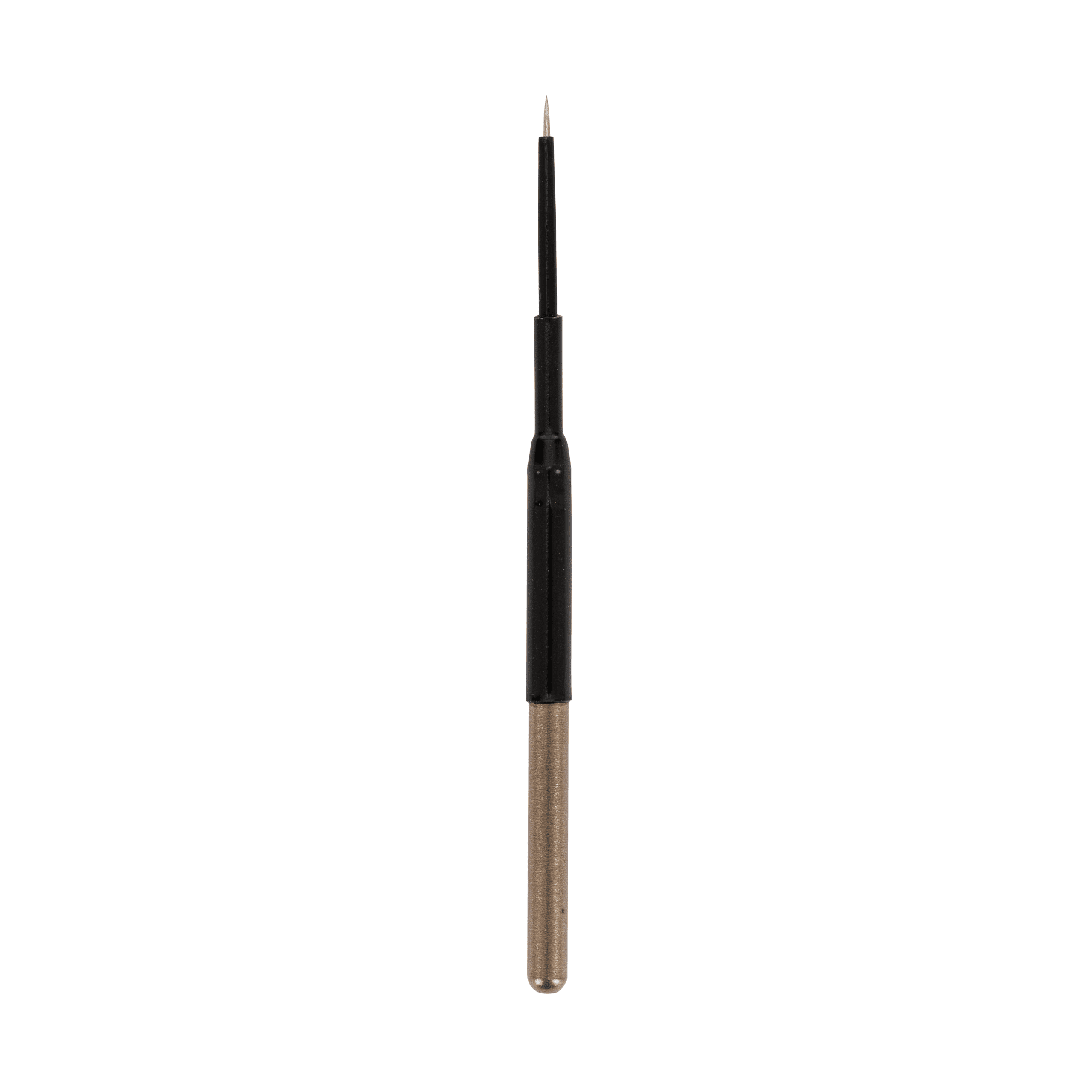
Insulated shaft, exposed tip: current reaches only the tissue you intend.
Cut, coagulate or blend.
The generator sets power, duration and mode for the task at hand.
Shapes and lengths.
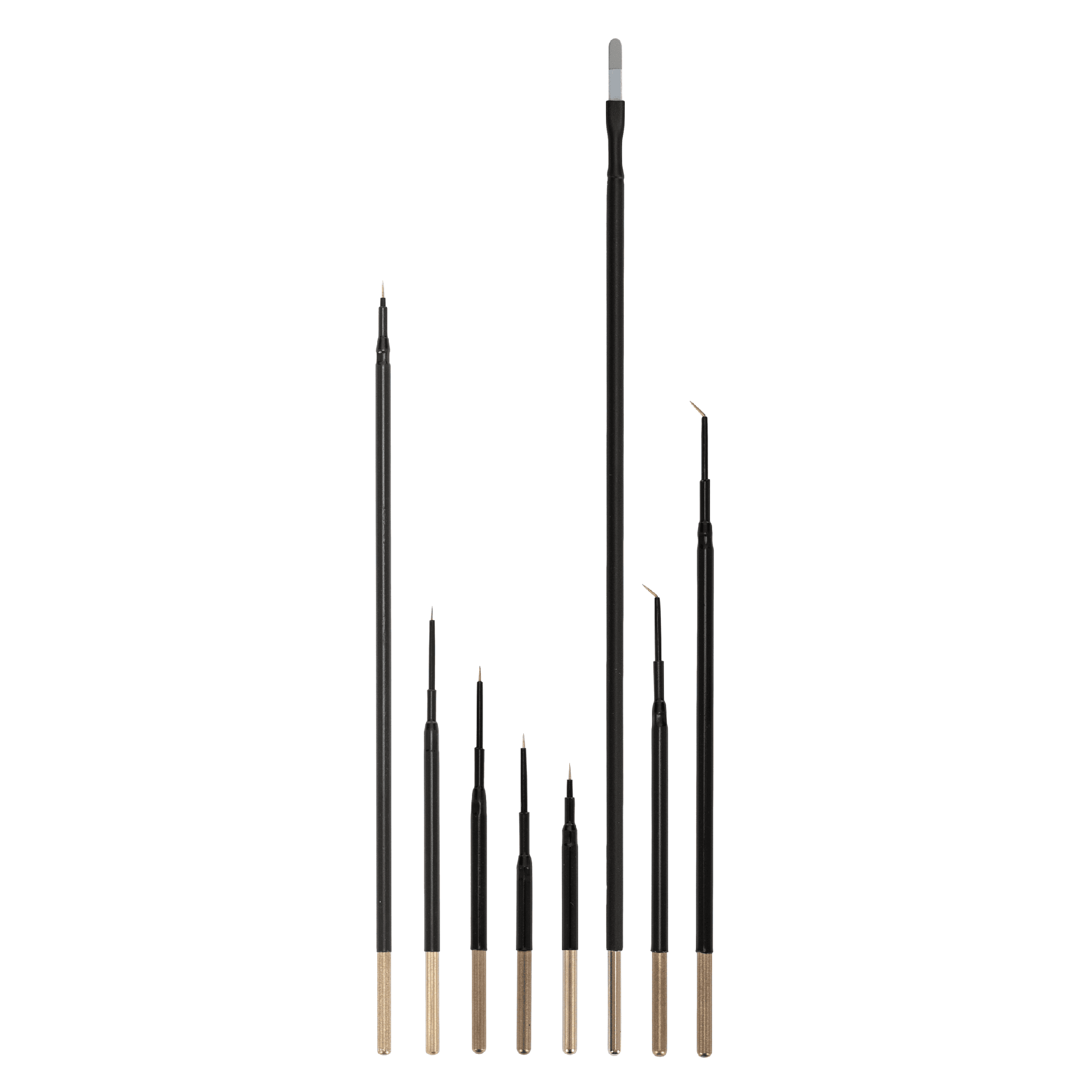
Straight and 45-degree bent tips from 46 mm to 178 mm.
What it enhances.
Microdissection needles are specialized surgical instruments used in electrosurgery, a technique that uses high-frequency electrical currents to cut, coagulate or vaporize tissue. They are employed for precise, controlled cutting or coagulation and come in various shapes and sizes to suit different procedures. For patients that means less trauma, fewer complications and a faster return to the moments that matter.
Shaft, tip and insulation
Microdissection needles are used mainly in minimally invasive surgery, dermatology, plastic surgery, gynecology and other fields where precision and bleeding control matter most.
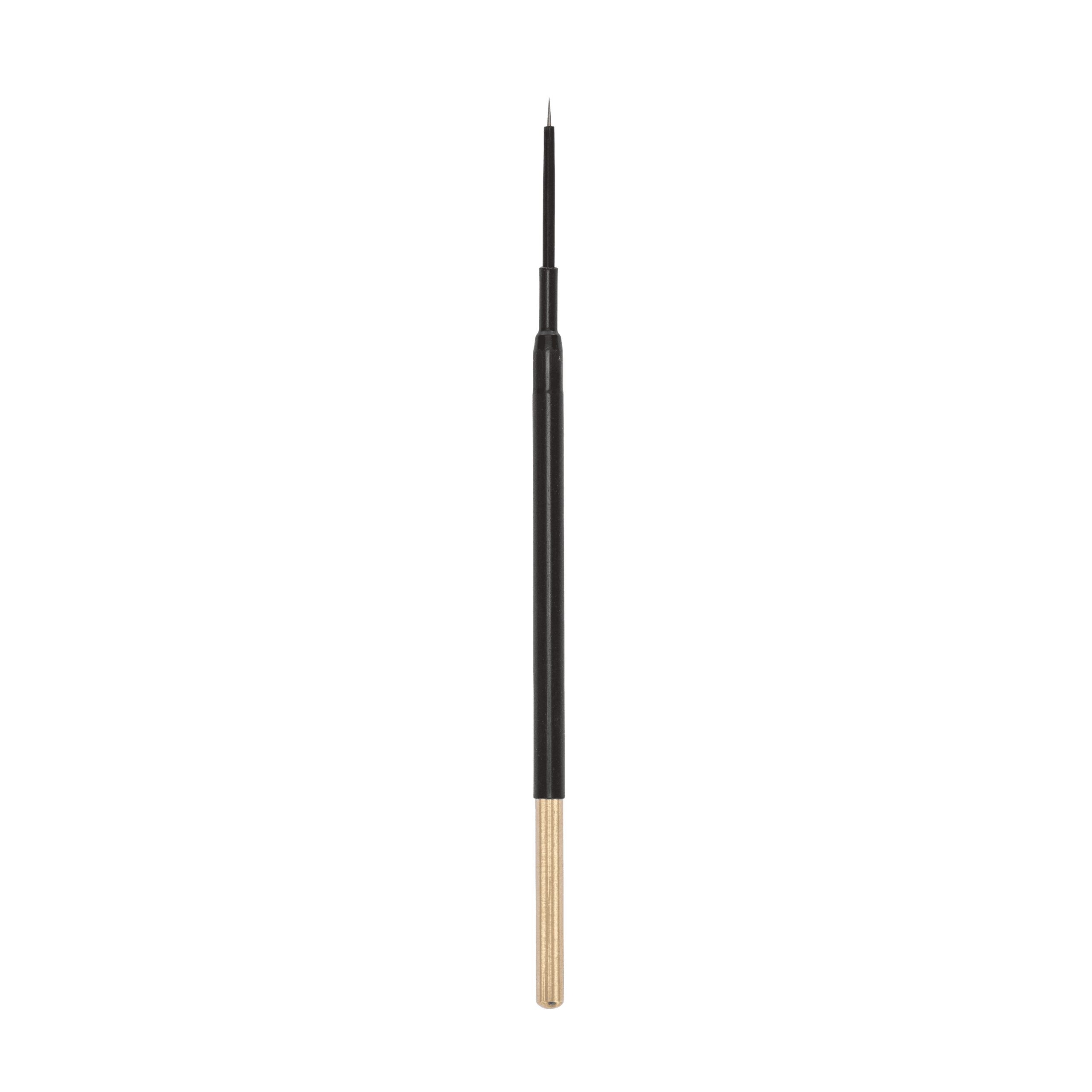
- Needle shaft: the main body of the needle, long and thin for fine, controlled movement, usually made of stainless steel or another conductive material.
- Electrode tip: the part that touches tissue. It can be a sharp point for cutting, a loop for coagulating, or another specialized shape, and conducts the high-frequency current that delivers heat to the tissue.
- Insulation: the shaft is insulated except for the tip, so current passes only through the intended area and unintentional burns to surrounding tissue are prevented.
Connection to the generator
Electrosurgical needles connect to an electrosurgical generator that supplies the high-frequency current. The generator lets the surgeon control the power and duration of the current as well as the mode: cutting, coagulating or blending.
How microdissection needles work
When the surgeon activates the needle, a high-frequency alternating current is delivered through the tip. The heat it generates is used in different ways:
- Cutting: a continuous current generates enough heat to vaporize tissue and create precise incisions.
- Coagulation: the current is applied intermittently or in pulses, generating enough heat to seal blood vessels and tissue and reduce bleeding.
- Blend: a combination of cutting and coagulation for delicate procedures where both tissue removal and hemostasis are required.
Types of microdissection needles
- Needles for cutting: sharp tips for clean incisions where precise tissue removal is needed.
- Needles for coagulation: a slightly blunt or looped tip to coagulate tissue or seal vessels where stopping bleeding matters more than tissue removal.
- Needles for both: designed so the surgeon can switch between cutting and coagulation as the procedure requires.
Range
Straight and 45-degree bent-tip microdissection needles, all with a 3 mm tip, plus a PTFE-coated electrode blade.
- BGTS-46: straight, length 46 mm
- BGTS-52: straight, length 52 mm
- BGTS-62: straight, length 62 mm
- BGTS-76: straight, length 76 mm
- BGTS-130: tungsten needle, straight, length 130 mm
- BGTSA-76: 45-degree bent tip, length 76 mm
- BGTSA-102: 45-degree bent tip, length 102 mm
- BGTSA-127: 45-degree bent tip, length 127 mm
- BGTSA-152: 45-degree bent tip, length 152 mm
- BGTSA-178: 45-degree bent tip, length 178 mm
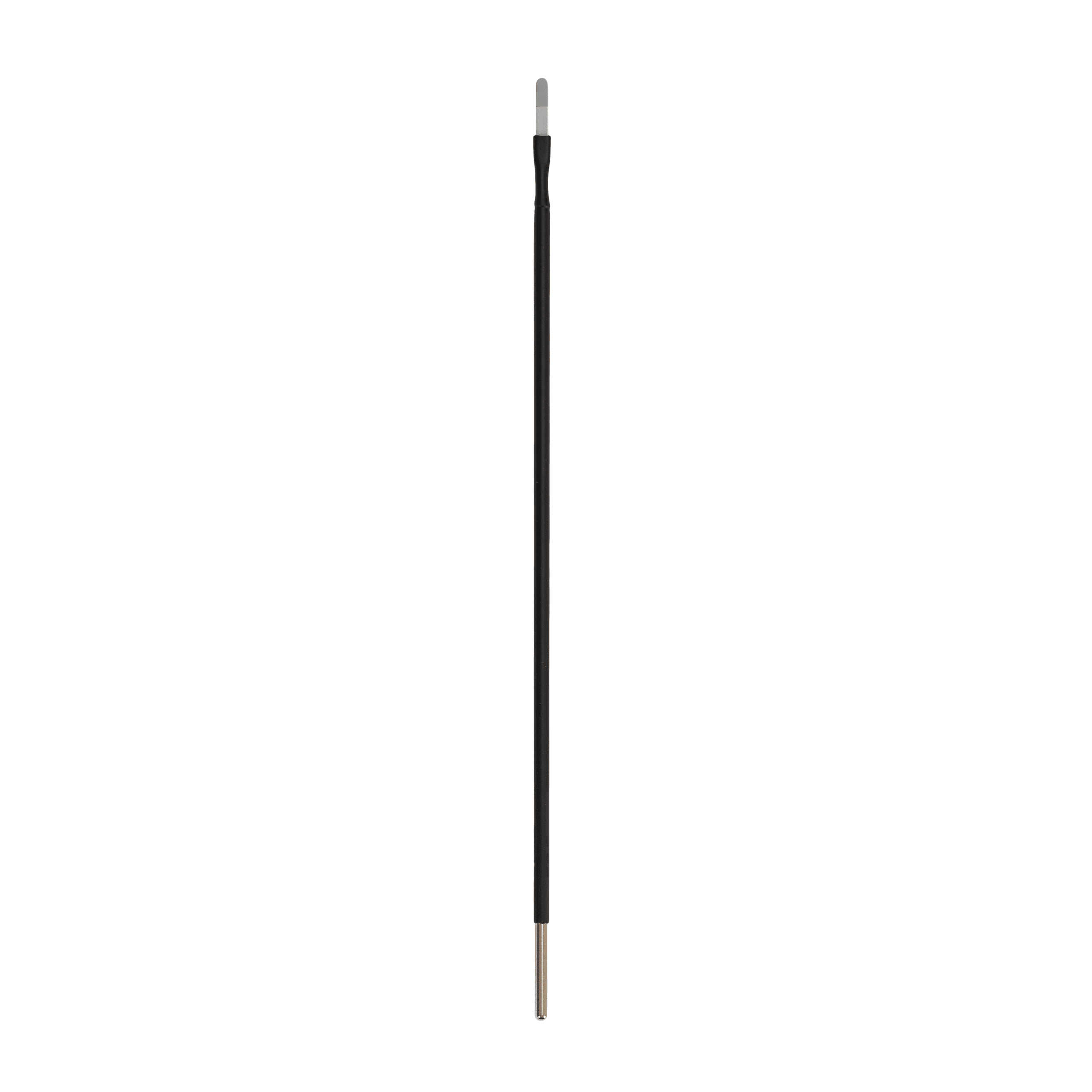
- KF-165XT: electrode blade, PTFE coated, 165 mm extended insulation
Documents.
Downloads