
Kirwan Surgical Products
Suctioncoagulators.
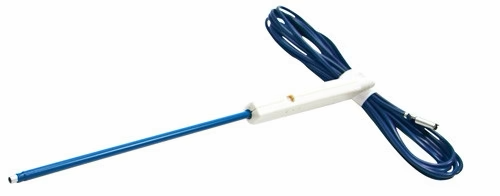
Suction and coagulation in one instrument: a clear field and controlled bleeding at the same time.
Improved visibility.
Suction clears blood, fluid and plume so the surgeon keeps a clear view.
Hemostasis.
The coagulation tip seals vessels and tissue to reduce blood loss.
One tool, two jobs.
Combining suction and coagulation saves time and instrument changes.
What it enhances.
Suction coagulators combine the functions of suction and coagulation in one instrument. They remove fluids such as blood or tissue debris from the surgical area while delivering heat to coagulate blood vessels or tissue and prevent excessive bleeding. When surgeons can see clearly, they work with greater precision and confidence: reduced operative time, minimized tissue damage and fewer complications.
Key components
This dual action makes suction coagulators particularly useful in surgery where both hemostasis and tissue removal are necessary.
- Suction channel: a tube that removes blood, tissue and other fluids from the site, keeping the field clear and improving visibility.
- Electrode or coagulation tip: the metal tip that delivers current to the tissue and is activated to coagulate vessels and stop bleeding.
- Power source: like electrosurgical pens, suction coagulators connect to an electrosurgical generator that supplies the current for coagulation.
- Control mechanism: suction and coagulation are controlled by a hand switch or foot pedal; some models allow varying suction strength and coagulation power.
How suction coagulators work
Suction: the suction component removes fluids from the surgical area, keeping the site dry and improving visibility. It also removes the smoke, or plume, produced by the heat of coagulation.
Coagulation: the tip, activated by the electrical current, generates heat that cauterizes blood vessels or tissue. Bleeding stops because the proteins in the vessel walls coagulate and seal the vessel.
- Coagulation mode: heat delivered through the electrode cauterizes and seals blood vessels.
- Cutting mode: some suction coagulators can also cut tissue with the electrical current while minimizing bleeding.
- Suction only: the suction can be activated on its own to clear the field without coagulating tissue.
Applications
- General surgery: controlling bleeding and clearing the field during procedures such as bowel resections or tumor removal.
- Neurosurgery: removing fluid and coagulating small vessels during delicate brain surgery.
- Orthopedic surgery: clearing blood and bone debris during joint replacements and bone procedures.
- Gynaecological and urological surgery: clearing fluid and controlling bleeding in procedures such as hysterectomies or prostate surgery.
- Plastic and reconstructive surgery: where precise hemostasis and tissue clearing are needed.
Advantages
- Improved visibility: removing blood and fluid maintains a clear view of the surgical site.
- Hemostasis: coagulating vessels and tissue reduces blood loss during surgery.
- Efficiency: suction and coagulation in a single tool make it a time-efficient option for many types of surgery.
- Fewer complications: removing fluid and sealing vessels reduces the risk of complications such as infection or hematoma.
Range
Hand-controlled suction coagulators in two sizes.
- KF-HSC08: suction coagulator, hand control, 8 Fr
- KF-HSC10: suction coagulator, hand control, 10 Fr
Documents.
Downloads